Serving Southeast Florida and Beyond
Call us at 772-774-7978
Call us at 772-774-7978
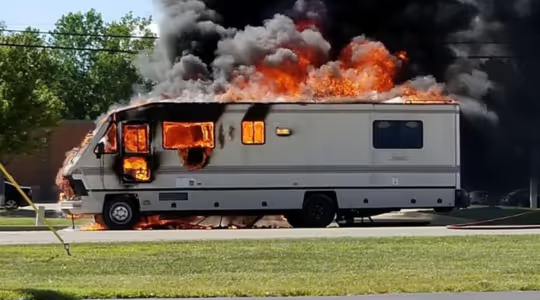

A safety inspection is a focused evaluation of an RV’s systems and components that directly affect occupant safety and safe operation on the road.
Unlike a comprehensive inspection, a safety inspection prioritizes identifying hazards such as propane leaks, carbon monoxide risks, fire dangers, electrical faults, structural weaknesses and critical towing or driving concerns.
The goal is to uncover issues that could lead to injury, breakdowns in dangerous locations or costly emergency repairs.
It provides RV owners with a clear understanding of whether their unit is safe to occupy, travel in and operate.

Safety inspections are valuable for RV buyers, current owners and travelers preparing for a trip.
Buyers benefit by ensuring the RV they are considering does not have hidden safety risks.
Owners should schedule inspections periodically, especially if their RV has been in storage, involved in an accident, exposed to severe weather, or showing signs of system issues.
Pre-trip safety inspections are also highly recommended before long-distance travel, helping families avoid preventable hazards on the road.
Ultimately, anyone who wants confidence that their RV is safe for themselves and their passengers should consider a professional safety inspection.




A safety inspection focuses strictly on conditions that could cause injury, fire, carbon monoxide exposure, propane hazards, or unsafe driving/towing situations.
It does not cover cosmetic issues or minor wear items.
A full inspection is more comprehensive and evaluates overall condition, functionality, and maintenance concerns in addition to safety.
Most RV safety inspections take 2 - 3 hours, depending on the size and type of RV and how accessible key components are.
Larger motorhomes or units with multiple systems may require additional time to properly evaluate all safety-related areas.
Yes. Even newer RVs can have overlooked installation issues, loose fittings, propane leaks, electrical hazards, or manufacturer defects.
A safety inspection provides an independent evaluation to ensure critical systems are safe for occupancy and travel.
Safety inspections are recommended before purchasing an RV, before long trips, after long storage periods, and anytime you suspect a problem such as unusual smells, warning lights, water leaks or appliance issues.
They are also beneficial after accidents or severe weather exposure.